The Dark Side Compass
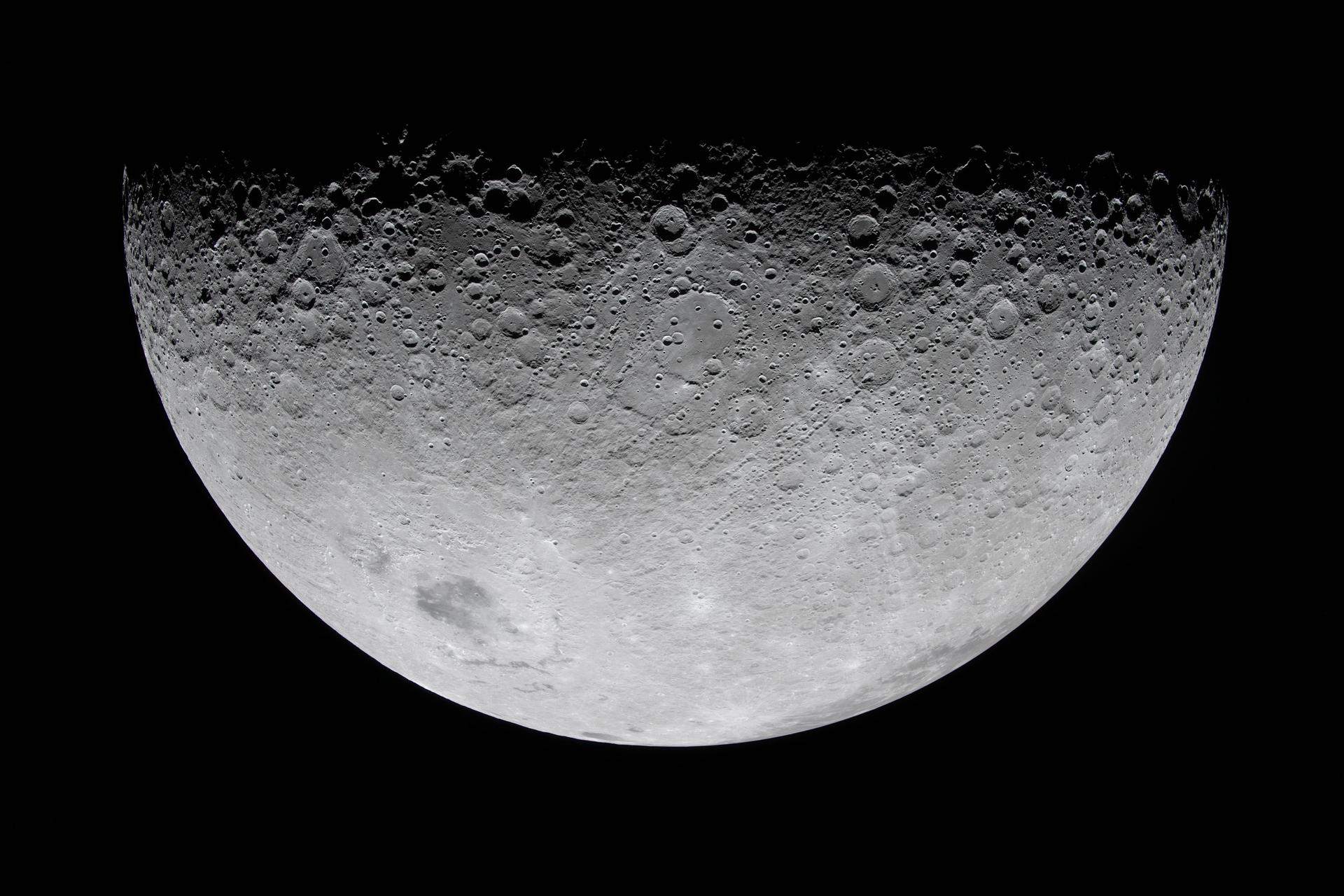
Photo Credit: Nasa
“It’s hard to dance, with the devil on your back, so shake him off.”
Uncomfortable feelings and cloudy thoughts have taken center stage at my house this week.
My daughters have their annual dance recital, and they are terrified of going on stage.
And while I am teaching them how to navigate their way through the shadows, I am recognizing how it never really gets any easier as we get older.
We become braver, bolder, and more confident, but the shadows will shapeshift to become equally as evolved.
We get smarter, but so do they.
You can name these shadows whatever you want …
“The Dark Side” if your inner Vader shows up in a cape, breathing heavily, insisting your dreams are not impressive
“The Dark Passenger” if you are a millennial who loves goat cheese balls and has a volatile alter ego
“Gollum” if you tend to obsess over moments in life being too precious
“Elsa” if you have a tendency to conceal, don’t feel, don’t let it show
“Regina George” if you feel personally victimized by your own internalized perfectionism
“Patterns” if your inner demons are keeping you from going up, up, up to your golden moment (and you know exactly which song is playing right now)
For continuity sake, I will be calling these shadows “The Dark Side”.
Not because I own a light saber, but because every untethered fool on a worthy journey eventually has to name what’s working against them before they can stop letting it lead.
(But you can call it whatever name makes it most recognizable to you.)
Photo Credit: Nasa
“The Dark Side” lives in the left side of the brain - a system hijacked by survival mode.
The left side of our brain is the welcomed brain for most of us.
It’s the brain we usually listen to.
It is logical, realistic, categorical, and organized. It has a rule system, and it follows it.
Anything unknown or original is perceived as wrong and dangerous - and our nervous system isn’t great at recognizing if that danger is a bear or a negative comment on our newest Instagram reel
This side of our brain is an expert at getting in between our creative impulses and our actual actions.
It is the voice in our head that heeds caution, doubts our abilities, and criticizes our ideas.
And it often arrives as soon as the flash of an idea crosses our mind - long before the seed has even been able to be planted or our foot has hit the pavement.
But this voice isn’t your voice. It’s the composite of every critical voice you have ever absorbed - parents, teachers, peers, society, social media, the impossible standard of the highlight reel.
It has been internalized so completely that it feels like your own judgment, but it’s not.

Photo Credit: Nasa
This is a part of our brain that we cannot silence or evict.
but we can refuse to allow it to sit in the driver’s seat.
In Elizabeth Gilbert’s book, Big Magic, she famously describes “The Dark Side” as being allowed to be in the car, allowed to have snacks and a blanket, but absolutely not allowed to touch the map or the radio.
We can allow it on the journey, thank it for its company, and let it know we no longer need that particular kind of guidance or opinion.
In Steven Pressfield’s The War of Art, he puts a more spiritual spin on these negative thought patterns.
He identifies “The Dark Side” as a universal force that rises in direct proportion to the importance of the idea. The more meaningful the thing you are trying to do, the louder the voice in your head becomes.
If the protective left brain is screaming, it means you are onto something that matters.
Similarly, St. John of the Cross wrote about the Dark Night of the Soul — the threshold of darkness that precedes transformation. The principle holds: the deepest resistance often arrives right before the most authentic emergence.
He described these critical voices as being a sign of reaching a threshold: these voices become the loudest when they are about to be stripped away so that something more authentic and true can emerge.
The voices aren’t intensifying because you are failing, but because you are finally, actually becoming.
In this way, these voices become powerful guidance rather than destructive derailing.